
Where are the bucks? This is the question that I find my buddies and myself asking quite a bit right now. I’ve hunted a few times and have a handful of cameras out, but it seems like everything has gone dry. This current mid-October cold front might help some, but it still doesn’t feel like the bucks are moving. If they aren’t in front of my camera, then where are they?
We see this every year, yet it still creates an anxiety that they’ve all magically vanished. I can assure you that they haven’t vanished; they are just relocating and relaxing. That’s it. You can kill bucks in mid-October; I’ve done it several times in the last few years, but deer behavior right now is very different than any other time of year.
September and the first few days of October make big bucks seem like suckers. They come to food sources regularly and don’t appear to have achieved their full wit yet. They respond to cool fronts but aren’t as weather dependent in general.
Late October and into November, bucks start to move into their pre-Rut phase, which can be the most fun time to hunt. Deer movement, while potentially sporadic, is often intense and reveals those bucks that you forgot even existed. Cold fronts only accelerate this action.
But that still doesn’t help us right now. The middle weeks of October can be tough. We often refer to this as the October lull. I don’t necessarily see it that way. I see it as a time of adjustment for the deer and for us hunters. So if you want to be close to a buck, we have to ask and answer the question, “Where are the bucks?”
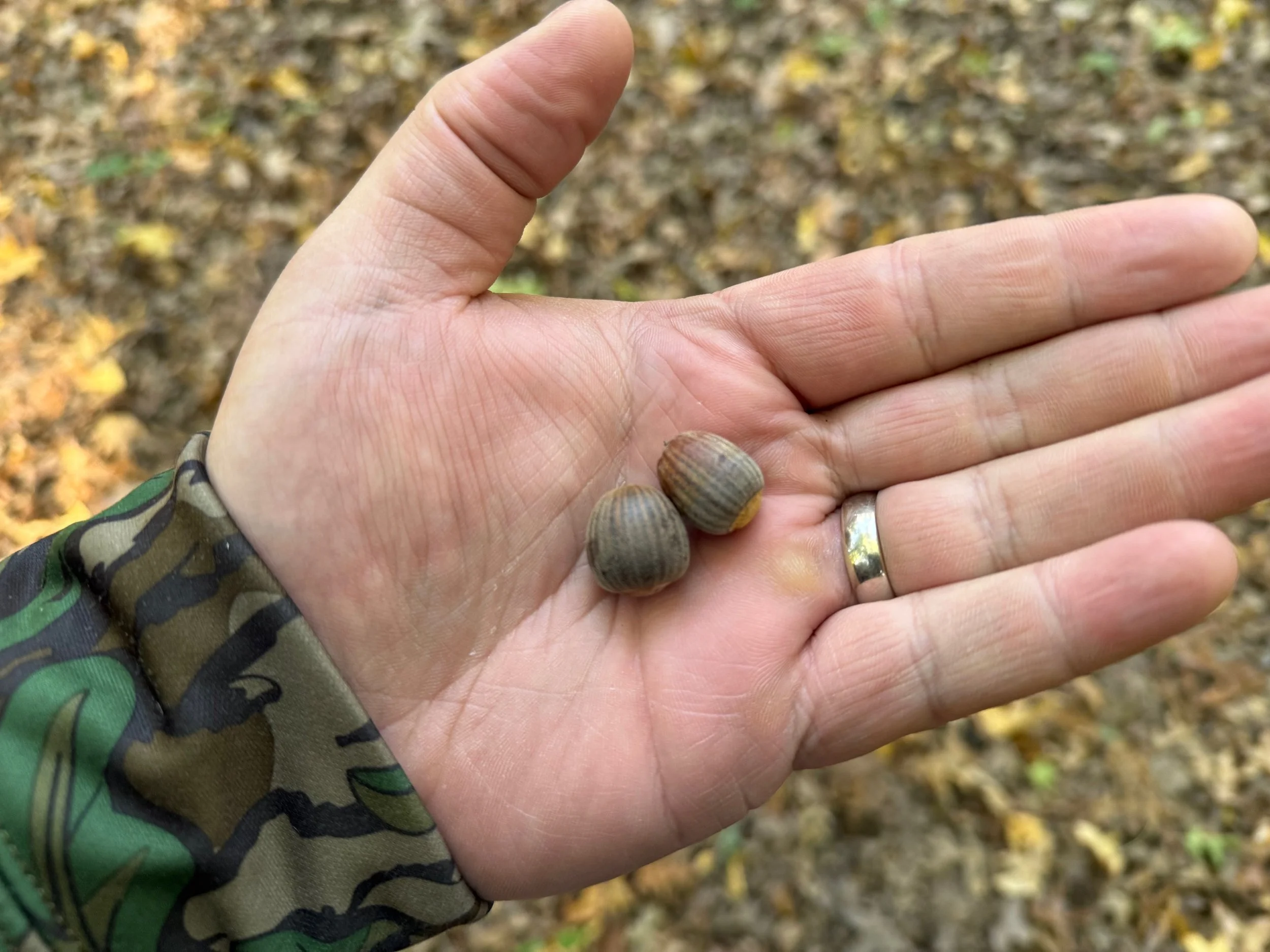
Bucks are still doing the same things they have been, but they may have changed where they are doing them. Take feeding, for example: the same bucks you saw feeding in a green bean field in mid-September are probably now eating along an oak ridge. Mast sources such as acorns and natural fruit-bearing trees are where deer are feeding. If you are sitting on a food plot or bait station, you probably aren’t going to see many, if any bucks.
Not only have bucks' primary feeding areas changed, so have their bedding areas. Bucks are moving further into cover. The first burst of hunting pressure has hit them, and the survivors know something is up. Thick cover close to natural food sources makes for good bedding. Mature bucks are often alone this time of year as well, resting up and biding their time.
The bucks are still there; we just aren’t often looking in the right places. All of my cameras on my permission property are on freshly planted green food plots, and I’ve only had one picture of a 3-year-old buck in the last two weeks. And it was in the middle of the night! I’m not worried though. The bucks are being lazy and feeding on acorns. They will be back. They are every year. In the meantime, I may venture into some oak-producing areas and try my luck.
Don’t get discouraged. It won’t be long, and the lazy bucks will be all but forgotten.